
Quick answer
Here is how to use OMNY: hold your card or phone against the reader. Use the same card or phone for every ride, so your rides count toward one cap. Once you reach the weekly cap, the rest of your rides that week are free. Check the MTA site for current fares.
What OMNY is
OMNY is tap-to-pay for the subway and buses. There is no ticket to buy if you tap a contactless card or phone.
Hold your contactless card, phone or watch against the reader.
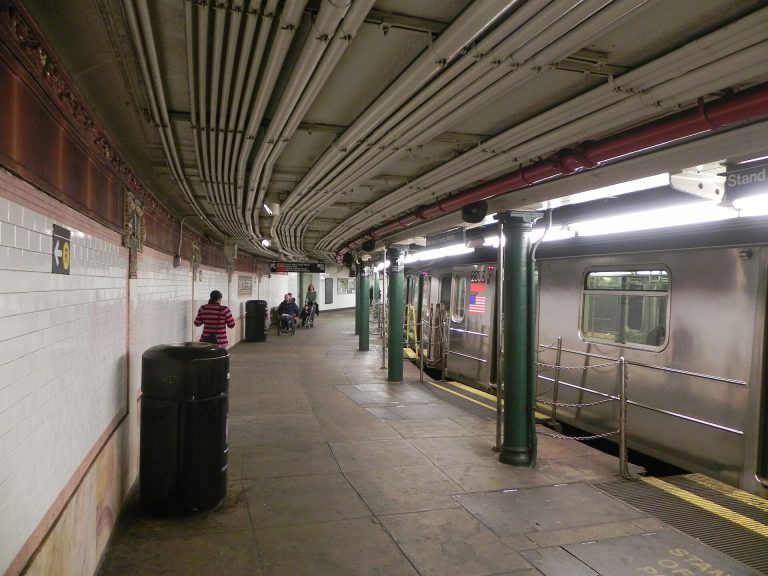
How to use OMNY at the turnstile and on the bus
At the turnstile, tap and wait for the green light. On a bus, tap at the front. Tap once per rider.
Use the same card or device each time. A different card or phone gets its own cap.
The fare cap
OMNY has a seven-day fare cap. Once you reach the weekly cap (currently $35 over seven days), more rides are free. Check the MTA site for the current rule.
This helps if you stay a week and ride a lot.

Tips
Keep the card in your hand, not your wallet. Your wallet may hold two cards, and the reader can pick the wrong one.
Read more in our NYC subway guide for tourists and our getting around guide.
Book your stay
Check prices on the hotel search page, build your days with the trip planner and find a table on the food map.
How to Plan How to Use OMNY: Rates, Subway Access, and Seasonal Timing
When researching how to pay for nyc subway and planning around How to Use OMNY, comparing block-by-block walkability, express subway connections, and seasonal rate shifts helps you get the most out of every day in New York City. Across Midtown & Fifth Avenue and neighboring Manhattan and Brooklyn corridors, nightly hotel prices and ticket demand fluctuate with Broadway schedules, midweek corporate conventions at the Javits Center, and holiday travel peaks. Reviewing our NYC hotel prices by month guide alongside our where to stay in NYC neighborhood breakdown makes it easy to spot high-value travel weeks before you lock in your itinerary.
Comparing Neighborhood Walkability and Express Transit Around How to Use OMNY
Transit proximity matters just as much as the nightly room rate when moving between Midtown landmarks, museum mornings near Central Park, and evening dinner reservations in Downtown Manhattan. Choosing a hotel within a five-to-eight-minute walk of an express subway station—such as the 1, 2, 3, 4, 5, 6, A, C, E, B, D, F, M, or N, Q, R, W lines—saves both commute time and taxi fares. Travelers arriving via JFK Airport, LaGuardia Airport, or Newark Liberty International Airport should also check how directly their route connects to New York Penn Station, Moynihan Train Hall, or Grand Central Terminal when carrying luggage.
Booking Windows, Refundable Room Rates, and Total Stay Value in New York City
Before finalizing any reservation in New York, always inspect the all-in nightly price including New York City hotel occupancy taxes and any mandatory property or destination fees. Booking a flexible, refundable rate 30 to 45 days ahead lets you secure a proven room in a prime location and re-check live inventory two weeks before check-in if unsold Manhattan rooms drop in price. Pairing smart neighborhood selection with early morning arrival times ensures a smooth, stress-free New York City experience in every season.
Travelers who compare weekday corporate rates against weekend leisure pricing across Midtown Manhattan, Chelsea, SoHo, and the Upper West Side routinely save fifteen to twenty-five percent on comparable four-star rooms.
If your flight or train arrives hours before standard three o-clock check-in, nearly every full-service New York hotel bell desk will store your bags free of charge so you can start exploring Central Park, Fifth Avenue, or the High Line right away.
For families and small groups sharing a room, requesting a higher floor away from street-facing elevators and confirming whether two queen beds or a sofa sleeper are guaranteed in writing prevents surprises at the front desk.
Using contactless OMNY tap-to-pay at subway turnstiles and crosstown buses also caps your weekly transit spend automatically, making it simple to ride between Uptown museums, Broadway theaters, and Brooklyn waterfront parks without buying paper farecards.
Whether you are visiting New York City for a quick forty-eight-hour weekend getaway or a full week of sightseeing, balancing iconic observation decks and Broadway shows with unhurried neighborhood walks through Greenwich Village, the West Village, and DUMBO creates a memorable trip.
During peak autumn foliage weeks in October and the December holiday season around Rockefeller Center, reserving timed-entry observation deck tickets and pre-theater dinner tables ten to fourteen days in advance saves hours of waiting in line.
Visitors staying in Midtown East, Murray Hill, or near Grand Central Terminal also enjoy fast crosstown bus connections and direct access to the East River Ferry landings at East 34th Street and Wall Street Pier 11.
When packing for a multi-day stay in Manhattan, bringing a portable phone battery, a compact umbrella, and broken-in walking sneakers ensures you stay comfortable from morning museum hours at the Met through late-night jazz sets in the Village.
Checking the official MTA Weekender service map on Friday afternoon helps.
Practical Tips for First-Time and Returning New York Visitors
Common questions
What is OMNY?
The tap-to-pay system for the NYC subway and buses.
Do I need a MetroCard?
Not if you use OMNY. Check the MTA site for current rules.
Can I use my phone with OMNY?
Yes, if it has a contactless wallet.
Does OMNY have a fare cap?
Yes. After you reach the weekly cap, more rides on that card or phone are free.
Can two people use one card?
One card or phone can pay for more than one rider, but only the first tap counts toward your cap. Check the MTA site for the rules.
Keep reading
NYC subway guide · Getting around NYC · Plan your trip · NYC hotels map