
Manhattan Hotels (2026): How to Choose the Right Block Without the Guesswork
Manhattan Hotels (2026): addresses, subway lines, walking distance and 2026 NYC nightly rates with tax math.
Quick answer
Choosing among Manhattan hotels is mostly a question of block, not brand. The island is a narrow grid roughly thirteen miles long, and two hotels with the same name can offer very different stays depending on whether they sit on a loud avenue, a quiet cross street or beside a subway entrance.
Manhattan Hotels: Why the Block Matters More Than the Brand
Choosing among Manhattan hotels is mostly a question of block, not brand. The island is a narrow grid roughly thirteen miles long, and two hotels with the same name can offer very different stays depending on whether they sit on a loud avenue, a quiet cross street or beside a subway entrance.
Manhattan’s grid makes planning easy once its rules are clear. Avenues run north-south and carry traffic, streets run east-west and are numbered, and addresses reveal distance. Learning these basics helps you judge a hotel’s location before you book it, and a quick look at the cross streets tells you whether the entrance sits on a busy corner or a quiet block.
Avenue Versus Street: Noise, Light and Traffic on the Manhattan Grid
Hotels on avenues such as Eighth, Seventh, Sixth and Fifth enjoy transit and shops but also sirens, buses and delivery trucks. Side-street hotels, especially between avenues, tend to be calmer. A room facing the avenue can brighten at night from signs, particularly near Times Square.
When booking, ask which direction the hotel room faces and what floor it is on. Interior or courtyard rooms may lack views but sleep better. A high floor lifts you above street noise, though lower floors sometimes face quieter alleys. Windows matter too, so ask whether the glass is double-paned.
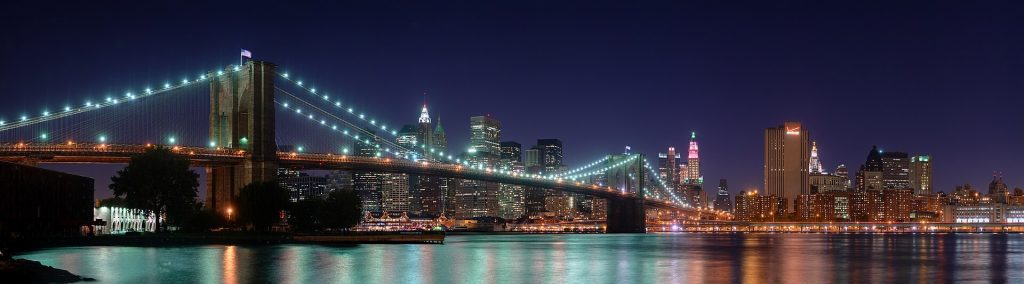
East Side Versus West Side: Subway Lines Decide the Day
East Side travelers rely on the 4, 5 and 6 along Lexington Avenue, the Q along Second Avenue and the L across 14th Street. West Side travelers use the 1, 2, 3, A, C and E, plus the B and D. The 7 crosses Midtown Manhattan east to west.
Pick the side that matches your main stops. A traveler headed to Broadway and Hudson Yards benefits from the West Side, while one headed to the United Nations and Museum Mile may prefer the East. Each OMNY ride costs $3 per the MTA, and a station within walking distance of the lobby saves real time every day.
Midtown Manhattan Blocks: Times Square, Fifth Avenue and Grand Central
Midtown Manhattan holds most of the city’s famous hotels, but its blocks differ. Times Square is bright and busy, Fifth Avenue near Rockefeller Center is polished and quieter after dark, and Grand Central at 89 East 42nd Street offers transit-hub convenience and calmer evenings.
The Paramount at 235 West 46th Street, the Algonquin at 59 West 44th Street and The Plaza at 768 Fifth Avenue illustrate the range, though current names, rooms and policies should be confirmed. Choose by evening mood as much as by daytime sights, because the hotel is where you spend the quiet hours after a long day on foot.
Downtown Manhattan Hotels in SoHo, Tribeca and the Financial District
Downtown Manhattan feels more like a collection of villages. SoHo offers cast-iron boutiques along Broadway and Prince Street, Tribeca brings quiet cobblestone streets and loft hotels, and the Financial District puts history, the harbor and the 9/11 Memorial near the lobby.
Rates swing with the business calendar, and weekends often cost less near Wall Street. Subway access is strong at Canal Street, Fulton Street and Chambers Street. Late evenings are quieter than in Midtown, which suits light sleepers. Dinner options remain strong, and reservations are wise on weekends.

Uptown Manhattan Hotels Near Central Park, the Upper West Side and Harlem
Uptown, the Upper East Side and Upper West Side flank Central Park, with calm residential blocks and major museums. Harlem along 125th Street adds music history at the Apollo Theater, and the A, B, C and D reach Midtown quickly. Hotel choices are smaller in number than downtown.
Expect a more local feel and fewer late-night crowds. Mid-range hotel rooms here often land in the $320-$480 tier, an estimate, and some budget options appear in Harlem. Confirm which hotels operate under which names, since inventory changes. Plan extra time for the trip back to Midtown, because express trains skip local stops.
Floor, View and Room Orientation Choices in Manhattan Hotels
Floor and orientation shape a stay as much as the neighborhood. Higher floors usually mean quieter rooms and better views, while lower floors may face courtyards. Corner rooms can catch more light but may sit near elevators. Always ask the hotel instead of guessing from the website photos.
Request a specific floor range in writing, and call a few days before.
Frequently Asked Questions About Manhattan Hotels
First-time visitors usually ask which area is best, how to avoid noise and whether higher floors are worth it. The honest answer is that it depends on the trip, the budget and the block.
The answers below are general guidance. Confirm current hotel details, fares and service changes before you travel.
What is the best area for Manhattan hotels?
It depends on the trip. Midtown suits first-timers, downtown suits quiet history seekers, and uptown suits museum fans.
Are higher floors quieter?
Usually, but not always. Ask which direction the room faces and how close it is to elevators or machinery.
How far in advance should I book?
For peak seasons, several months ahead. For quiet periods, a few weeks, though prices vary.
Keep reading
Best Hotels in NYC · A Night at The Plaza · NYC Sports and Stadium Questions Answered · NYC Shopping Questions Answered · NYC Hotel Questions Answered · Where to stay in NYC · NYCHotelss 20 Best Picks · Cheap hotels in NYC · All NYC guides