
Hotels in NYC (2026): How to Pick by Neighborhood, Subway Line & Nightly Budget
Hotels in NYC (2026): addresses, subway lines, walking distance and 2026 NYC nightly rates with tax math.
Quick answer
The smartest way to choose hotels in NYC is to decide three things in order: the neighborhood you want to wake up in, the subway line you will rely on, and the nightly budget you can sustain. Everything else, from lobby style to bed size, is secondary to those three.
Hotels in NYC: Choosing by Neighborhood, Subway Line and Nightly Budget
The smartest way to choose hotels in NYC is to decide three things in order: the neighborhood you want to wake up in, the subway line you will rely on, and the nightly budget you can sustain. Everything else, from lobby style to bed size, is secondary to those three.
Rates below are 2026 estimates: roughly $195 to $295 for budget stays, $320 to $480 for mid-range, and $650 and up for luxury. Confirm live prices, because New York City hotels change them daily with demand and events.
Midtown Manhattan Near Times Square, Rockefeller Center and Grand Central
Midtown Manhattan is the default base. Times Square sits at Broadway and 42nd Street, Rockefeller Center at 30 Rockefeller Plaza, and Grand Central Terminal at 89 East 42nd Street. Most major subway lines meet here, so almost any attraction is one ride away or within walking distance of your hotel room. Most first-time visitors spend the majority of their days within about a mile of Fifth Avenue.
The cost of that convenience is crowds and noise. Side streets in the West 50s and East 40s are often calmer than Seventh Avenue, so ask for a high floor and a room away from the elevator when you reserve. A boutique hotel on a side street can feel a world away from the Broadway crowds.
Lower Manhattan and the Financial District Along the 2, 3, 4 and 5 Trains
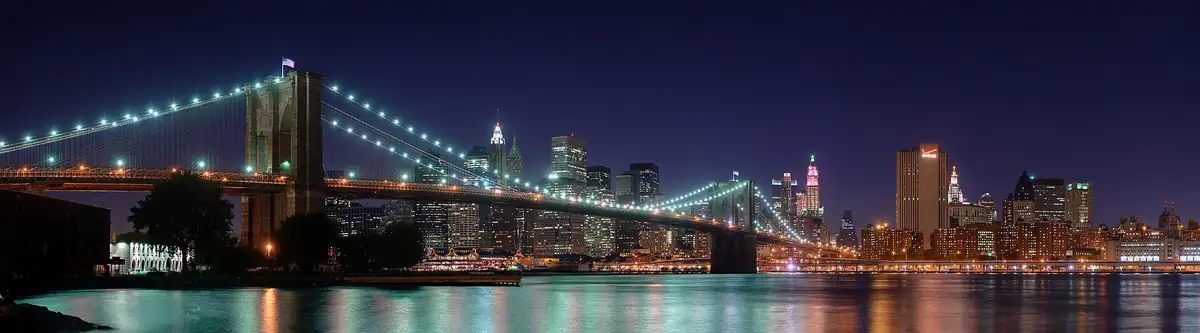
Lower Manhattan suits travelers who want the 9/11 Memorial at 180 Greenwich Street, the Brooklyn Bridge and the harbor. The 2, 3, 4 and 5 trains stop around Wall Street and Fulton Street, while the E and the 1 reach the World Trade Center.
Weekends can be quiet and sometimes cheaper, since business travelers leave. Properties such as the Beekman at 5 Beekman Street and Four Seasons Downtown at 27 Barclay Street are worth confirming for current names and status before you rely on them.
SoHo, Greenwich Village and the West Village Near the 1, 6 and B, D, F, M Trains
Downtown boutique neighborhoods trade skyline views for cobblestones and cafes. SoHo is served by the N and R at Prince Street and the 6 at Spring Street, while Greenwich Village centers on West 4th Street, where the A, B, C, D, E, F and M converge.
Hotel supply is limited and small, so rooms sell out quickly in spring and fall. A boutique hotel here often costs more per square foot than Midtown, but walking home from dinner is part of the appeal. Confirm the exact address, because a few blocks east or west changes the subway you will use. Street-level photos help.
Upper West Side and Upper East Side Near Central Park and Museum Mile
The Upper West Side centers on the American Museum of Natural History at Central Park West and 79th Street, with the 1, 2 and 3 along Broadway and the B and C under the park. Residential streets are calmer, though hotel options are fewer.
The Upper East Side offers Museum Mile along Fifth Avenue, with the 4, 5 and 6 on Lexington Avenue and the Q on Second Avenue. The Lowell at 28 East 63rd Street and the Carlyle at 35 East 76th Street are classic luxury hotel choices.

Brooklyn: Williamsburg, DUMBO and Downtown Brooklyn Along the L, F and A, C Trains
Brooklyn trades Midtown location for neighborhood character and often better value. Williamsburg is served by the L at Bedford Avenue, DUMBO by the F at York Street and the A and C at High Street, and Downtown Brooklyn by Atlantic Avenue-Barclays Center.
Rooftop hotels along Wythe Avenue and the waterfront, including the Wythe Hotel at 80 Wythe Avenue and 1 Hotel Brooklyn Bridge at 60 Furman Street, are worth confirming for current rates, amenities and seasonal rooftop access. Ferry service and the L train are the usual alternatives to Manhattan bridges.
Queens and the Bronx for Budget Stays Near Yankee Stadium and Citi Field
Queens and the Bronx work for event-driven trips. Yankee Stadium at 161st Street is reached by the 4, B and D, and Citi Field at 41 Seaver Way by the 7 to Mets-Willets Point. Long Island City also offers short rides into Midtown Manhattan.
Outer-borough hotels usually undercut Manhattan, but travel adds time. Compare the.
Frequently Asked Questions About Hotels in NYC
These answers summarize typical patterns for hotels in NYC. Policies, prices and amenities change, so confirm details with the hotel directly before you book.
If you are torn between two neighborhoods, pick the one closest to the subway line that serves most of your plans. Saving thirty minutes of travel a day often outweighs a modest rate difference, especially on short trips.
Which neighborhood is best for a first visit?
Midtown Manhattan is the easiest base because the subway lines converge there. SoHo and the Village feel more local but offer fewer hotel rooms. Brooklyn and Queens add value but lengthen the ride.
What is the typical nightly rate?
Estimates for 2026 run about $195 to $295 budget, $320 to $480 mid-range and $650 and up luxury, before 14.75% tax and about $3.50 per night.
Are outer-borough hotels worth it?
They can save money, especially near the 7 train or the L. Weigh the saving against commute time and late-night service.
Keep reading
Best Hotels in NYC · A Night at The Plaza · NYC Sports and Stadium Questions Answered · NYC Shopping Questions Answered · NYC Hotel Questions Answered · Where to stay in NYC · NYCHotelss 20 Best Picks · Cheap hotels in NYC · All NYC guides