
What Is the Quietest Neighborhood in Manhattan for Light Sleepers?
What Is the Quietest Neighborhood in Manhattan for Light Sleepers?: addresses, subway lines, walking distance and 2026 NYC nightly rates with tax math.
Quick answer
No part of New York City is silent, but the quietest neighborhood in Manhattan for hotels is usually a residential area away from nightlife and major avenues. For light sleepers, the room’s location in the building often matters as much as the neighborhood.
Quietest Neighborhood in Manhattan for Hotels: What Light Sleepers Should Know
No part of New York City is silent, but the quietest neighborhood in Manhattan for hotels is usually a residential area away from nightlife and major avenues. For light sleepers, the room’s location in the building often matters as much as the neighborhood.
Noise comes from sirens, delivery trucks, early-morning garbage collection, bars, sidewalk cafes and construction. Quiet blocks tend to be tree-lined side streets with townhouses and few late-night venues. Treat every neighborhood description here as general reputation, not a guarantee, and always read recent guest comments about noise for the exact property.
Quietest Neighborhood in Manhattan for Hotels: Upper East Side Blocks Near 28 East 63rd Street and 35 East 76th Street
The Upper East Side is often described as one of Manhattan’s calmer neighborhoods. The Lowell at 28 East 63rd Street, between Park and Madison Avenues, and The Carlyle at 35 East 76th Street at Madison Avenue sit on residential blocks; confirm room orientation.
The 6 train at 77 Street and 68 Street–Hunter College and the F at Lexington Avenue–63rd Street connect to Midtown, while Museum Mile and Central Park are close. Evenings are mostly low-key, though avenues like Third and Lexington can still have bars, and weekend brunch crowds fill the sidewalks by late morning.
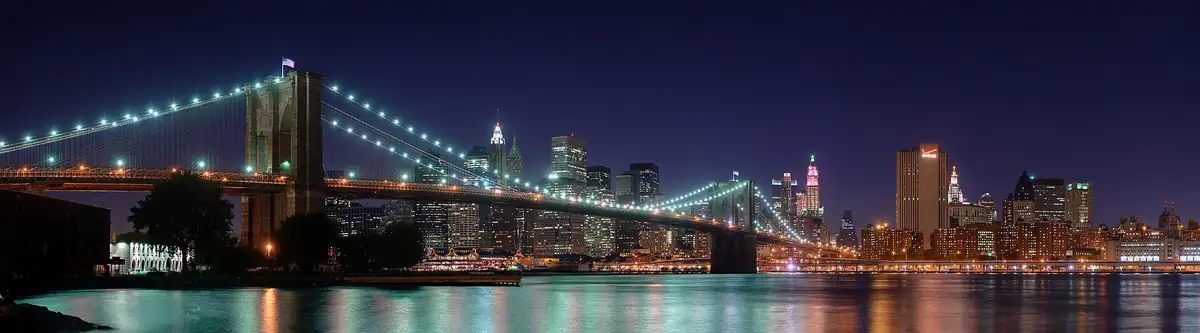
Murray Hill and Midtown East Side Streets Near Grand Central
Murray Hill and Midtown East feel residential after offices empty, especially on side streets east of Park Avenue and south of East 42nd Street. Grand Central Terminal at 89 East 42nd Street offers the 4, 5, 6, 7 and S, giving quick links across the city.
Quiet depends on the block. Avoid corners near popular bars and choose a higher floor. A boutique hotel on a side street, with fewer rooms and fewer guests in the hallways, may be calmer than a large tower on a major avenue, but ask about air conditioning, window quality and whether the unit hums at night.
Greenwich Village Side Streets, Washington Square and West 4th Street
Greenwich Village has pockets of calm among its older townhouses, especially on quieter streets west of Sixth Avenue. Be aware that MacDougal Street and parts near Washington Square Park have bars and late-night crowds, so check the exact block.
The A, B, C, D, E, F and M at West 4th Street and the 1 at Christopher Street Station serve the area. A few boutique hotels sit near the park; confirm availability, noise reports and whether rooms face the street or a courtyard, since that single detail can decide how well you sleep.
Tribeca and Lower Manhattan Quiet After Business Hours
Tribeca and parts of the Financial District can be very quiet at night and on weekends, when offices are empty. Cobblestone streets and loft buildings give a village feel, though restaurants on certain blocks stay lively.
The 1 at Franklin Street, 1, 2 and 3 at Chambers Street and the A and C at Chambers and Canal serve the area. Construction can be loud during the day, so ask about nearby building work before you book a stay, and request a room on the opposite side of the building if scaffolding is going up.

Brooklyn Heights as a Quiet Alternative Across the East River
Brooklyn Heights offers brownstone blocks and the Promenade, with skyline views and a hushed feel at night. Montague Street has dining, but many side streets are tranquil. Check the exact block against traffic noise from the Brooklyn–Queens Expressway below.
The 2, 3, 4 and 5 at Borough Hall and the 2 and 3 at Clark Street reach Manhattan quickly. Lodging is limited, so look at nearby DUMBO or Downtown Brooklyn if you want more choices and then compare noise exposure, ferry horns and street traffic before you decide.
Avenue Versus Side Street: Why the Block Matters More Than the Neighborhood
Avenues carry buses, trucks and sirens, so a hotel on a side street usually sleeps quieter than one on a major avenue. Fire stations, hospitals and ambulance routes add noise, so check the map for emergency services near your hotel room before you reserve.
Ask which direction your room faces and how high it is. Higher floors.
Frequently Asked Questions About the Quietest Neighborhood in Manhattan
Light sleepers often ask where to book. Residential areas such as the Upper East Side, Murray Hill and parts of the Village generally feel calmer than Midtown, but individual blocks vary and construction can change things quickly.
They also ask whether a quiet hotel is worth extra money. Often a quiet room category or higher floor matters most, followed by the street the hotel sits on. Read recent reviews for noise comments, confirm requests directly with the property, and keep the reply email for check-in.
Is the Upper East Side quieter than Midtown?
Generally, yes, especially on side streets. Confirm your hotel’s block, floor and room orientation.
Are boutique hotels quieter?
Sometimes, because they have fewer rooms and often sit on side streets. Quality varies, so check recent reviews.
Does Tribeca get noisy?
It can be quiet at night, but restaurants, nightlife and construction vary by block. Check the exact address on a street-level map and read recent reviews.
Keep reading
Best Hotels in NYC · How Light Sleepers Can Book a Quiet Hotel Room in NYC · A Night at The Plaza · NYC Sports and Stadium Questions Answered · NYC Shopping Questions Answered · Where to stay in NYC · NYCHotelss 20 Best Picks · Cheap hotels in NYC · All NYC guides