
Staying Near Canal Street: 7 Subway Lines & Bakeries vs Early Delivery Trucks
Staying Near Canal Street: addresses, subway lines, walking distance and 2026 NYC nightly rates with tax math.
Quick answer
This staying in chinatown nyc pros cons guide helps you decide whether a base near Canal Street fits your New York City trip. The area offers bakeries, markets and unusually strong subway access, but early delivery trucks and street activity can shape how well you sleep.
Staying in Chinatown NYC Pros Cons: The Short Version
This staying in chinatown nyc pros cons guide helps you decide whether a base near Canal Street fits your New York City trip. The area offers bakeries, markets and unusually strong subway access, but early delivery trucks and street activity can shape how well you sleep.
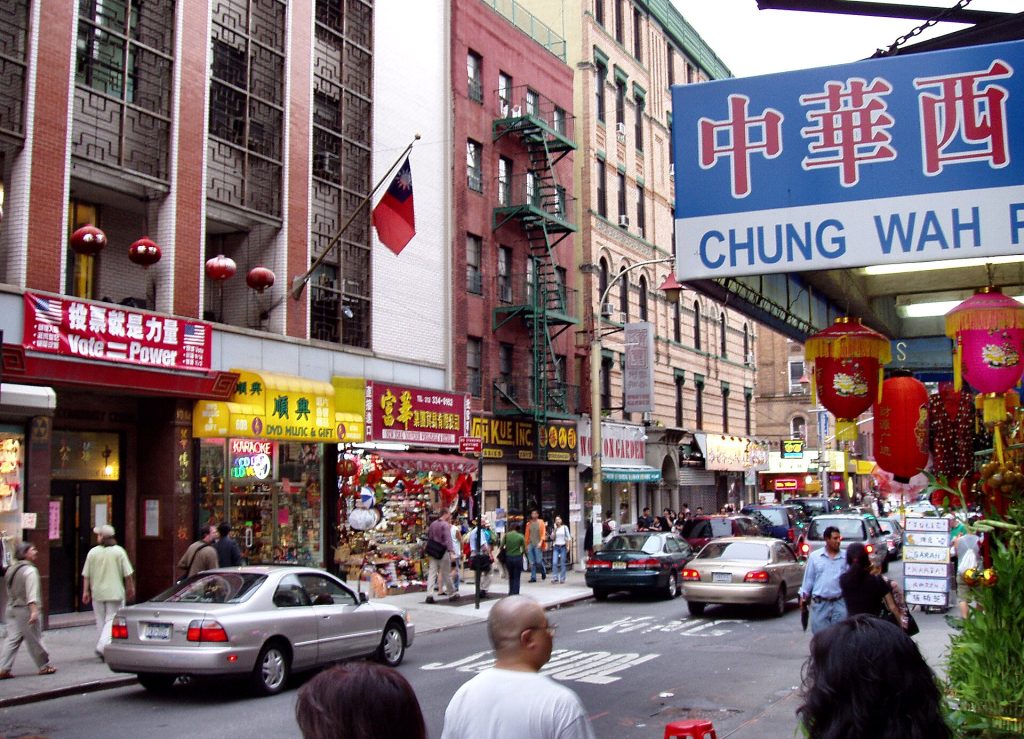
Chinatown and Canal Street Hotels: What the Inventory Looks Like
Traditional large hotels are limited in the immediate blocks, so many visitors compare newer small properties near Canal Street with nearby SoHo and Tribeca options. Examples to research include the Crosby Street Hotel at 79 Crosby St and the Nolitan at 30 Kenmare St, though status, rooms and amenities should be confirmed.
Seven Subway Lines Near Canal Street: How the Count Works
Canal Street is a transit crossroads. Lines commonly cited include the 6, J, Z, N, Q, R and W at the main Canal Street station, with the A, C, E and 1 at other Canal Street stops. How many lines you count depends on how you group stations, so confirm current service on the MTA.
Bakeries, Dumplings and Markets: The Daytime Appeal
Mornings bring bakeries, dim sum, tea shops and produce markets, often at lower prices than tourist districts. Many small places are cash-friendly and keep their own hours, so confirm opening times and payment methods before you plan a meal around any one spot.

Staying in Chinatown NYC Pros Cons: Early Delivery Trucks and Noise
The honest drawback is early morning activity. Delivery trucks, market carts and shop gates can create sound before sunrise on some streets, and Canal Street itself carries heavy traffic. These are general patterns, not promises, so ask recent guests about noise on your specific block.
Walking Distance to SoHo, Little Italy and the Lower East Side
Chinatown connects naturally to its neighbors. SoHo, Little Italy and the Lower East Side are usually a ten to twenty-minute walk, an estimate that varies with pace and route. The Brooklyn Bridge and City Hall area also sit within a longer walk for energetic visitors.

Getting to Midtown Manhattan and Broadway From Canal Street
The N, Q, R and W lines head north toward Herald Square and Times Square, while the 6 reaches Grand Central, and the A, C and E serve Penn Station and Port Authority areas. Typical rides run.
Pros of Staying in Chinatown: Value, Food and Access
Visitors often praise lower dining costs, authentic neighborhood life and the ability to reach many parts of the city without transferring. Hotel prices can also be more approachable than in nearby SoHo, though that depends.
How Chinatown Compares With SoHo, Tribeca and Midtown
A luxury hotel in Midtown Manhattan offers more services and a polished setting, while Tribeca feels calmer and SoHo feels fashionable. Chinatown sits between them for access, offering a practical base with fewer frills and.
2026 Rates, 14.75% Tax and $3.50 Math for Chinatown Stays
As planning estimates, budget stays run about $195 to $295 a night, mid-range about $320 to $480 and luxury from $650 plus. Chinatown often leans toward the lower and middle bands, but dates and events.
Insider Booking Tips
- Ask about the street side. Request a courtyard-facing or higher room in writing; hotels may not guarantee it.
- Verify the line count. Confirm current subway service on the MTA site before relying on any station.
- Compare totals. Add the 14.75% tax and $3.50 nightly charge to every option.
- Read recent noise comments. Look for mentions of early deliveries and traffic on your block.
- Plan meals early. Popular counters can have lines, and hours vary, so confirm before you go.
Frequently Asked Questions About Staying in Chinatown
Travelers usually ask about noise, safety, transit and value. The answers below are general guidance, not guarantees, so confirm details with the hotel, the shop or the MTA before you book.
Use these questions as a checklist and add your own priorities for sleep, budget and access, since feel changes block by block.
Is Chinatown a good place to stay in NYC?
It suits visitors who want food, value and transit access, and accept early activity and busy streets. Compare it with SoHo, Tribeca and Midtown Manhattan before booking.
How many subway lines serve Canal Street?
Counts vary by how stations are grouped. Commonly cited lines include the 6, J, Z, N, Q, R, W, A, C, E and 1 at nearby stops. Confirm current service on the MTA site.
Is Chinatown noisy in the morning?
Some blocks can be, with delivery trucks and market activity. Ask for a higher floor or quieter side, bring earplugs, and read recent guest comments.
Is Chinatown safe?
Common questions
What should visitors know about Staying in Chinatown NYC Pros Cons?
This staying in chinatown nyc pros cons guide helps you decide whether a base near Canal Street fits your New York City trip. The area offers bakeries, markets and unusually strong subway access, but early delivery trucks and street activity can shape how well you sleep.
What should visitors know about Seven Subway Lines Near Canal Street?
Canal Street is a transit crossroads. Lines commonly cited include the 6, J, Z, N, Q, R and W at the main Canal Street station, with the A, C, E and 1 at other Canal Street stops.
What should visitors know about Staying in Chinatown NYC Pros Cons?
The honest drawback is early morning activity. Delivery trucks, market carts and shop gates can create sound before sunrise on some streets, and Canal Street itself carries heavy traffic.
What taxes, fees and transit tips apply when booking for Staying Near Canal Street?
New York City hotel stays carry a 14.75% combined occupancy and sales tax plus $3.50 per room per night in statutory fees, and many Manhattan and Brooklyn properties add a $25 to $55 nightly destination fee. Use OMNY contactless tap-to-pay ($2.90 per ride) on nearby MTA subways and buses to compare door-to-door travel times before locking in a non-refundable rate.
Keep reading
Best Chinatown Food in NYC · Where to Stay in Lower Manhattan & the Financial District · Hotels Near Canal Street Subway Stations Between SoHo, Tribeca & Chinatown · Hotels Near 34th Street-Penn Station (1/2/3 & A/C/E Subway Corridors) · Hotels Near Times Square-42nd Street Station: NYC’s Biggest Subway Hub · Staying Near Newport & Grove Street PATH Stations in Jersey City
Explore Our Most Popular NYC Hotel, Neighborhood & Culinary Guides
Curated firsthand by 1998 Dot-Com Hospitality Pioneer Matthew Stuart Crawford — “The Extra S Is For Savings”
- → NYC Luxury Hotels & Suite Rates (Homepage)
- → Compare 500+ NYC Hotels Side-by-Side
- → Best Time to Book NYC Hotels (2026 Rate Calendar)
- → NYC Hotel Prices by Month: Cheapest vs Peak Weeks
- → Best Affordable Hotels Near Times Square
- → Best Christmas & Holiday Hotels in NYC
- → Top Hotels Near Jacob Javits Convention Center
- → Hotels Near Manhattan & Brooklyn Cruise Terminals
- → 3D Polaroid NYC Food Map (12,571 Restaurants)
- → Best Chinatown Food NYC: Dumplings, Roast Duck & Dim Sum
- → Best Pizza in NYC: Iconic Coal-Oven & Slice Shops
- → Best Steakhouses in NYC: Dry-Aged Prime Classics
- → Best Bagels & Appetizing in New York City
- → Best Pastrami & Jewish Delis in Manhattan
- → Best Italian Restaurants & Little Italy Gems
- → Best NYC Rooftop Bars & Skyline Lounges
- → The Hotel Insider: Five-Star Suite Reviews
- → The Plaza New York: Fifth Avenue Insider Review
- → Burj Al Arab Two-Story Royal Suite Inspection
- → NYC Neighborhood Hotel Guide (Midtown, SoHo, UES)
- → Broadway Shows, Theater District & Pre-Show Dining
- → Best Things to Do in NYC (First-Timer & VIP Playbooks)
- → The Hamptons Luxury Hotels, Beaches & Dining Guide
- → 🎁 Win a Free $10,000 Custom Website + SEO/AEO/GEO