
Is NYC Safe for Tourists in 2026? Real Crime Stats, Subway Smarts & Safest Hotel Areas
Is nyc safe for tourists: 2026 NYC guide with addresses, subway lines, walking distance and rates.
Quick answer
Is NYC safe for tourists? Millions of people visit New York City each year, and most trips pass without trouble. Still, no city can promise safety, and conditions vary by block, hour and circumstance. This guide offers a practical way to think about risk rather than a guarantee.
Is NYC Safe for Tourists? A Realistic Look at New York City Visits
Is NYC safe for tourists? Millions of people visit New York City each year, and most trips pass without trouble. Still, no city can promise safety, and conditions vary by block, hour and circumstance. This guide offers a practical way to think about risk rather than a guarantee.
The title mentions crime statistics, but this article does not quote numbers, because figures change and are easy to misread. For current data, use the NYPD’s public crime statistics pages and neighborhood precinct reports. Then combine that information with common sense and the habits described below. Remember that perception and reality can differ, and that experiences vary widely between travelers.
Reading Official Crime Data Before You Book a Hotel Room
The NYPD publishes public crime reports by precinct and by week. Search for the precinct covering your hotel’s address, then compare recent trends with citywide patterns. Be careful with raw counts, since busy tourist areas naturally record more incidents because more people pass through.
Statistics describe the past and the average, not your specific night. Use them as one input alongside traveler reviews, daylight visits and conversations with the front desk. Confirm any claim about a neighborhood’s safety with a source you can verify.

Subway Smarts: Riding Safely on New York City Subway Lines
Millions ride the subway daily, including at night. Practical habits help: wait for trains away from the platform edge, keep your phone and wallet out of sight, and ride in a car with other passengers. The fare has been about $3 per ride via OMNY; confirm current fares.
Late at night, service can be less frequent and some lines change routes. Check the MTA app or posted notices for service changes. If a car feels uncomfortable, move to another at the next stop. Know the express and local pattern for your line before you travel, and keep a screenshot of the route in case your signal drops underground.
Midtown Manhattan Blocks Near Times Square and Penn Station
Midtown Manhattan around Times Square is crowded at nearly all hours, which many travelers find reassuring. Bright signs and constant foot traffic create a busy environment, but crowds also attract pickpockets and scams. Keep bags zipped and wear a cross-body strap.
Blocks near Penn Station and the Port Authority Bus Terminal can feel rougher late at night. No block can be promised safe. If you arrive after dark with luggage, choose a hotel with a staffed front desk, and consider a short taxi ride instead of a long walk.
Upper West Side, Upper East Side and Central Park Hotel Blocks
The Upper West Side and Upper East Side are largely residential, with doormen, schools and steady foot traffic. Many families stay near Central Park, where the A, B, C, D and 1 stop at Columbus Circle and the 4, 5 and 6 run along Lexington Avenue. Confirm lines for your address.
Central Park is generally busiest in daylight. After dark, stay on lit paths or avoid the park entirely. Walking distance from many hotels to the park is only a few minutes, so plan your return route ahead of time and keep your belongings close.
Downtown Choices: SoHo, the Financial District and Brooklyn
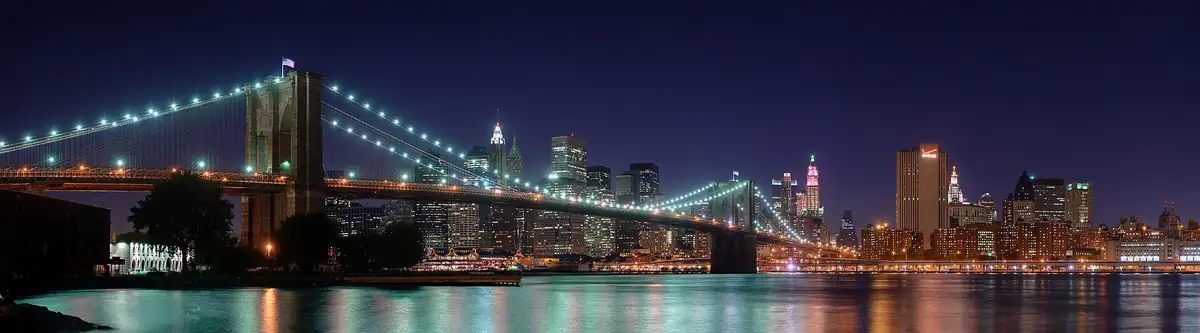
SoHo, Tribeca and the Financial District are busy by day with offices and shops, and quieter at night, especially on weekends. Many travelers like a boutique hotel there for its design and walkable streets. Evening foot traffic varies, so visit the block before you book.
Brooklyn neighborhoods such as DUMBO, Williamsburg and Downtown Brooklyn have their own rhythms. Check the walk from the subway to your hotel on a map, and look at traveler photos of the entrance. Ask the hotel about late-night arrival procedures, and consider a morning check-in walk to see the block in daylight.
Choosing a Safe Hotel: Staffing, Lobbies and Room Access
Look for a hotel with a staffed front desk, working elevators, controlled key access and clear lighting at the entrance. A 24-hour desk helps with late arrivals. Read recent reviews for comments on locks, noise and cleanliness, and treat repeated complaints as a warning sign.
Ask about the hotel’s policy on guests and visitors, safe availability and how staff handle lost keys. Request a room.
Frequently Asked Questions: Is NYC Safe for Tourists?
These answers address common worries. They offer general guidance, not guarantees, and conditions change by neighborhood and time of night. Verify current information with official sources, including the NYPD, the MTA and your hotel.
Most visitors have a trouble-free trip by using ordinary urban habits. If something feels wrong, trust your instincts, move toward a busy, lit area and ask staff at a store, hotel or station for help.
Is NYC safe for tourists at night?
Many areas stay busy after dark, but conditions vary by block. Stick to lit, populated streets, plan your route home, and use a taxi or rideshare if unsure.
Is the subway safe for visitors?
Millions ride it daily. Stay alert, keep valuables out of sight and move cars if uncomfortable. Check MTA alerts for service changes before late trips.
What is the safest area to stay?
No area is guaranteed safe. Compare precinct data, read recent reviews and choose a hotel with a staffed front desk and good lighting.
Keep reading
Best Hotels in NYC · A Night at The Plaza · NYC Sports and Stadium Questions Answered · NYC Shopping Questions Answered · NYC Hotel Questions Answered · Where to stay in NYC · NYCHotelss 20 Best Picks · Cheap hotels in NYC · All NYC guides