
Quick answer
First time and want to see everything? Midtown. Shows? Times Square. Quieter nights? Chelsea or the Upper West Side. Downtown sights? Lower Manhattan.

Midtown
Central, close to Central Park, Fifth Avenue and the subway. Busy by day, often calmer at night. See Midtown hotels.
Times Square
Best for Broadway. Loud and bright. Ask for a high floor. See hotels near Times Square.
Chelsea and Penn Station
Handy for trains and the High Line. Often fewer crowds at night. See Chelsea and Penn Station.
Lower Manhattan
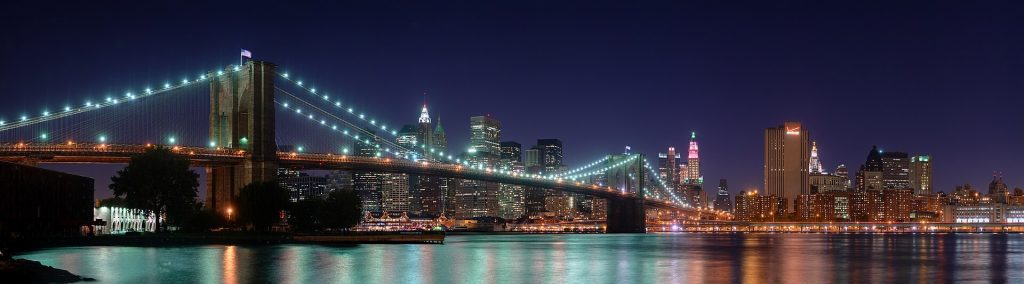
Close to the 9/11 Memorial, the ferries and the Brooklyn Bridge. Often quiet on weekends. See Lower Manhattan hotels.
Upper West Side
Near Central Park and the Natural History Museum. Mostly calm and residential. See Upper West Side hotels.
How to choose
Pick the neighborhood first, then the hotel. Our where to stay in NYC guide helps you decide.
Hotels in Manhattan by trip type
The right area matters, but so does the kind of trip you are taking. To make it simple, here are hotels in Manhattan matched to four common trip types, with one open example for each. Use them as a starting point, then compare a few nearby options on the same block.
- First trip: New York Marriott Marquis, 1535 Broadway. It sits right on Times Square, close to many Broadway theaters and lots of subway lines. Good for first timers who want to step out the door and be in the middle of everything. See our Marriott Marquis guide for room tips.
- Families: Hotel Beacon, 2130 Broadway at 75th Street. A long-running Upper West Side hotel with larger rooms and kitchenettes, so you can keep snacks and make simple breakfasts. Central Park and the American Museum of Natural History are a short walk away. Suits families who want a calmer area and a bit more space.
- Budget: Pod Times Square, 400 West 42nd Street. Small, smart rooms near the Port Authority Bus Terminal and the A, C and E trains. Good for solo travelers and pairs who plan to be out all day and just need a clean place to sleep.
- Splurge: The Plaza, 768 Fifth Avenue at Central Park South. A grand, historic hotel facing the park, with afternoon tea and the Food Hall downstairs. Suits honeymoons, anniversaries and big birthdays.
A few quick rules help no matter which type you pick. Stay within a short walk of a subway station with more than one line. Check the hotel’s daily facility or destination fee before you book, since it is added on top of the room price. Midweek business demand can push up Midtown prices, while some downtown hotels are easier to find on weekends.
If you are still unsure, start with your plans. Theater nights point to Times Square or Midtown. Museums and the park point to the Upper West Side. Food and walking point to downtown. Then pick the trip type above that fits your group.
Book your stay
Time to book. Check prices on the hotel search page, build your days with the trip planner and find a table on the food map.
How to Plan Where to Stay in Manhattan: Rates, Subway Access, and Seasonal Timing
When researching where to stay in manhattan and planning around Where to Stay in Manhattan, comparing block-by-block walkability, express subway connections, and seasonal rate shifts helps you get the most out of every day in New York City. Across Midtown & Fifth Avenue and neighboring Manhattan and Brooklyn corridors, nightly hotel prices and ticket demand fluctuate with Broadway schedules, midweek corporate conventions at the Javits Center, and holiday travel peaks. Reviewing our NYC hotel prices by month guide alongside our where to stay in NYC neighborhood breakdown makes it easy to spot high-value travel weeks before you lock in your itinerary.
Comparing Neighborhood Walkability and Express Transit Around Where to Stay in Manhattan
Transit proximity matters just as much as the nightly room rate when moving between Midtown landmarks, museum mornings near Central Park, and evening dinner reservations in Downtown Manhattan. Choosing a hotel within a five-to-eight-minute walk of an express subway station—such as the 1, 2, 3, 4, 5, 6, A, C, E, B, D, F, M, or N, Q, R, W lines—saves both commute time and taxi fares. Travelers arriving via JFK Airport, LaGuardia Airport, or Newark Liberty International Airport should also check how directly their route connects to New York Penn Station, Moynihan Train Hall, or Grand Central Terminal when carrying luggage.
Booking Windows, Refundable Room Rates, and Total Stay Value in New York City
Before finalizing any reservation in New York, always inspect the all-in nightly price including New York City hotel occupancy taxes and any mandatory property or destination fees. Booking a flexible, refundable rate 30 to 45 days ahead lets you secure a proven room in a prime location and re-check live inventory two weeks before check-in if unsold Manhattan rooms drop in price. Pairing smart neighborhood selection with early morning arrival times ensures a smooth, stress-free New York City experience in every season. Comparing weekday and weekend.
Common questions
What is the best area to stay in Manhattan?
Midtown for most first-timers.
Where is quietest?
The Upper West Side and Chelsea.
Where should I stay for Broadway?
Near Times Square.
Is Lower Manhattan a good base?
Yes, for the 9/11 Memorial and the ferries.
Do I need to be near the subway?
Yes. It usually saves time and money.
What are good hotels in Manhattan for families?
Look for larger rooms or kitchenettes in a calmer area. The Hotel Beacon on the Upper West Side is one example, close to Central Park and the Natural History Museum.
Should I pick a big hotel or a small one in Manhattan?
Big hotels usually have more services, elevators and room types, which helps groups and families. Small hotels are often quieter and more personal, which suits couples and solo travelers.
Keep reading
Where to stay in NYC · Midtown hotels · Hotels near Times Square · NYC hotels map